
Bang Peer Research
Turn lived experience into evidence for better decisionsBANG X COMMUNITY REGEN
BANG Peer Research is delivered through BANG X Community Regen. Young people help shape the questions, carry out the research, make sense of what they hear, and present findings that can inform services, strategy, and investment.
The Need
Decisions about communities are stronger when they are informed by credible evidence and lived experience.
Traditional consultation can miss people who are least connected to formal services or reduce participation to a one-off survey.
The Offer
BANG Peer Research brings together BANG’s trusted relationships with young people and Community Regen’s experience in research and regeneration. We recruit, train, manage and pay young people to help design the research, speak to their peers, understand the findings, and present recommendations.
How It Works
1. Define the decision.
We begin with the decision, service, strategy or investment the research needs to inform, and not simply with a survey.
2. Build the research team.
We agree who needs to be involved and recruit young people with the relevant relationships, knowledge and lived experience.
3. Train and prepare.
Young researchers are trained in research methods, ethics, consent, data protection, safeguarding, interviewing, facilitation and safe working.
4. Design together.
Young people help shape the questions, methods, language and places where the research will happen.
5. Gather evidence.
The team conducts fieldwork through the methods best suited to the audience and the decision.
6. Interpret together.
Young researchers help analyse patterns, add context and identify what the findings mean.
7. Present and act.
We produce clear outputs and support young people to present recommendations to the people who can act on them.
Evidence
In 2025, BANG interns helped design and deliver BANG’s largest peer research project, reaching more than 1,000 young people across over 20 Brent postcode areas. BANG interns helped shape the survey, reach young people through schools and community networks, review the findings, and present what they had learned.
Community Regen’s track record
*Youth-led projects
Hackney Housing Needs Survey*
Community Regen trained six young people from Hackney as peer researchers. They carried out interviews and surveys at youth groups, community events and other places across the borough, and one young researcher was trained to facilitate focus groups. The evidence was intended to inform future housing decisions and support investment in housing programmes.
Earl's Court Regeneration*
Community Regen trained and paid twelve young community researchers. The team engaged more than 350 local people to assess the social impact of events and to gather views, ideas and suggestions for the Earl’s Court regeneration site.
Greenwich Adventure Play Centres*
Community Regen trained and paid six young people as peer researchers. They carried out one-to-one interviews, ran workshops in two adventure play centres and held focus groups in local schools to explore how proposed changes would affect young people.
Curo/Foxhill, Bath
Community Regen recruited and trained six resident researchers, five of whom carried out doorstep and street interviews. The work generated 146 responses, followed by a community event, further survey work and a focus group. The evidence fed into Curo’s Resident Engagement Plan.
Lambeth & Southwark Housing Association
Resident researchers were recruited and trained to use door knocking, street interviews and telephone interviews. They gathered 78 resident responses, with a further ten responses from partner organisations. The findings informed the housing association’s Investment Strategy.
West Hendon
Seven resident researchers carried out street and doorstep interviews, generating 213 responses. Community research was combined with service mapping, stakeholder interviews and workshops to inform the West Hendon Neighbourhood Investment Strategy.
Grahame Park
Seven residents were recruited, trained and paid to conduct the research; their training was accredited by Barnet and Southgate College. The project completed 402 street and doorstep interviews, alongside partner and resident focus groups involving 38 people. The results informed the work of the Grahame Park Strategy Group.
Greenwich Get Active
Community Regen trained and paid six community researchers. They supported community conversations with 364 residents, 14 one-to-one interviews and a partner survey involving 38 local organisations and groups. The evidence was used to support development of the Greenwich Get Active Physical Activity and Sports Strategy.
A Stakeholder Event Organised by Young People
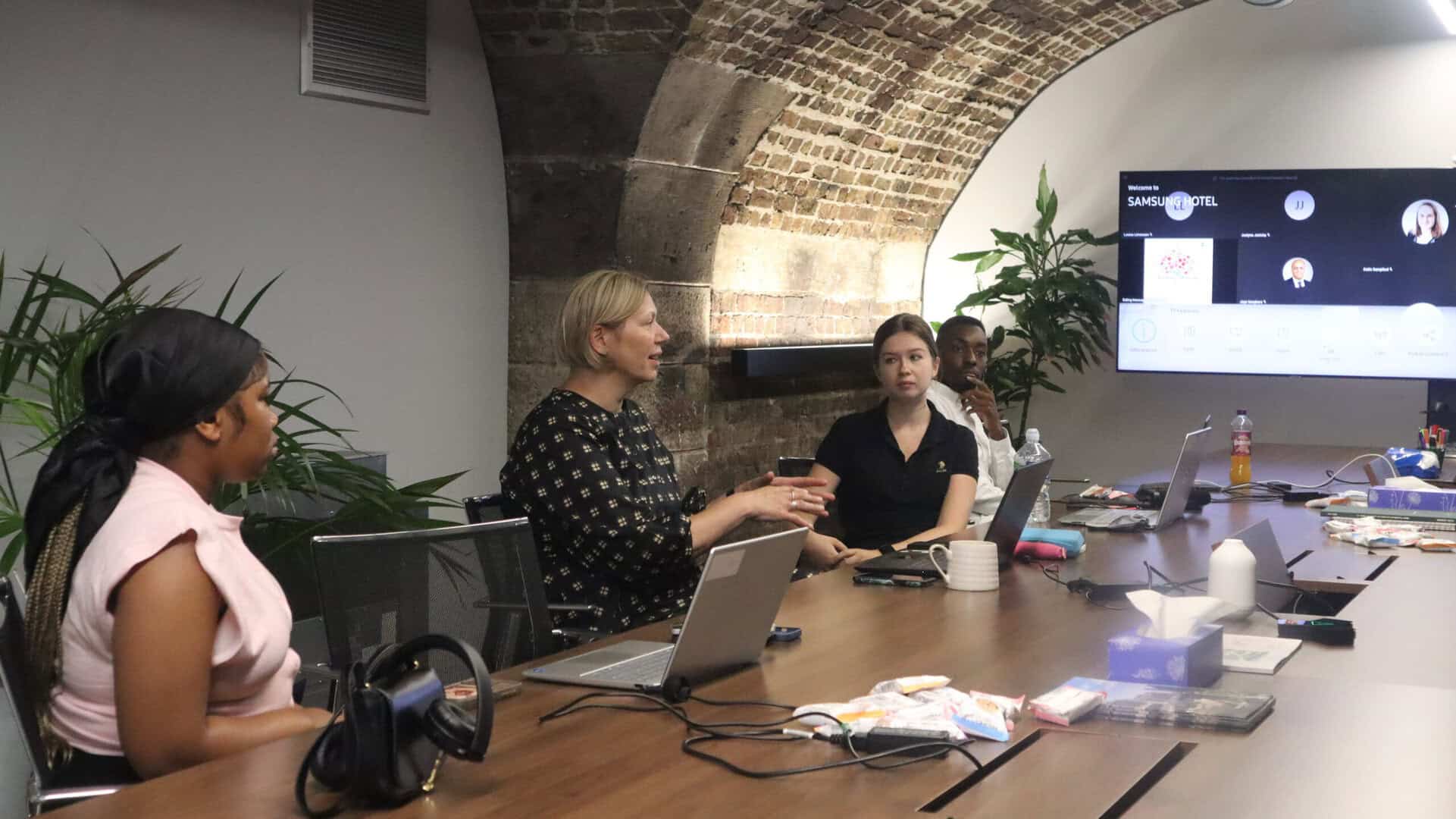
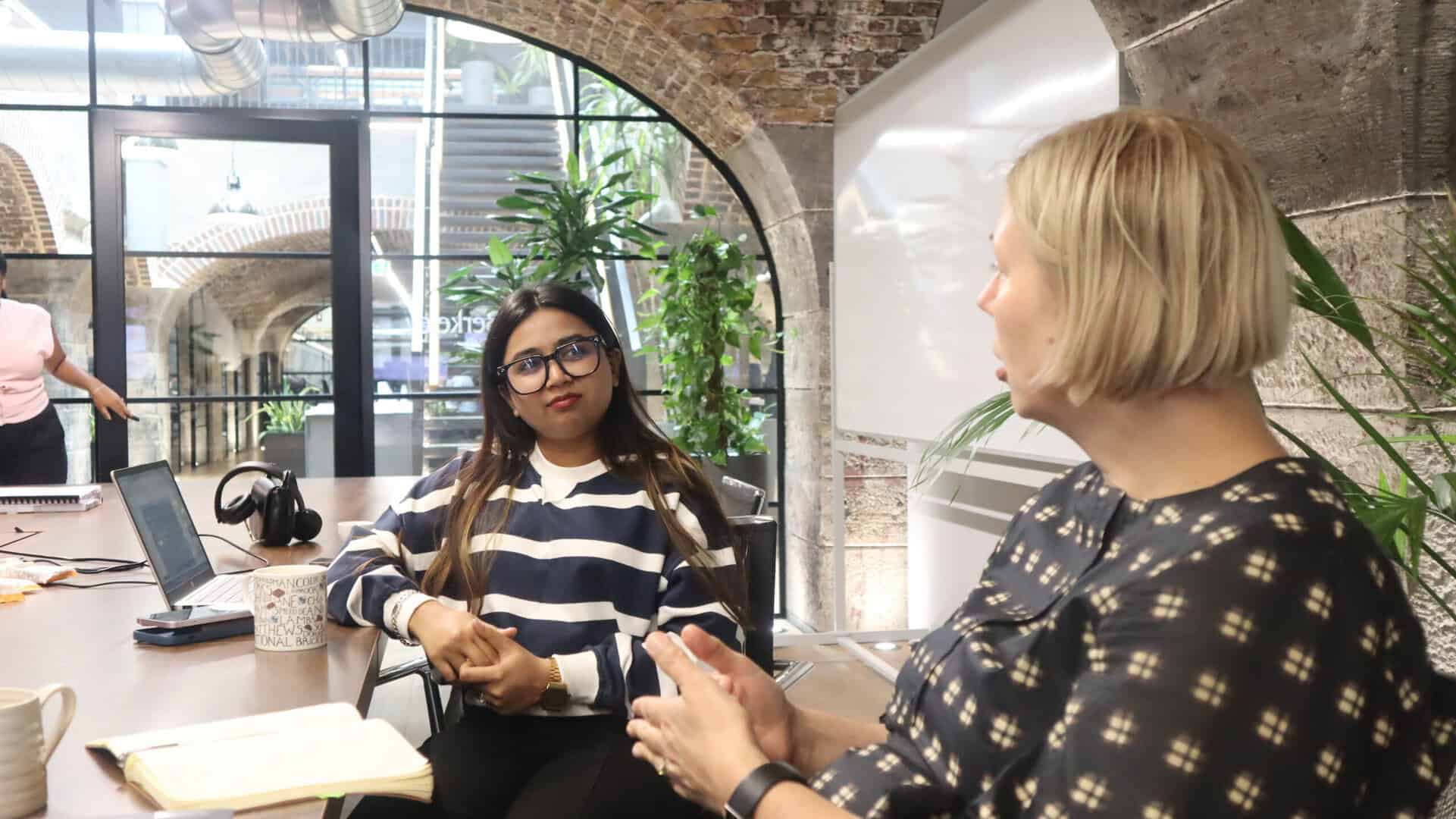
Young people organised and hosted the BANG Stakeholder Event in November 2025. Around 60 young people, families, partners, funders and community stakeholders attended. Young people presented the findings, led activities and conversations, and showed how the research should shape BANG’s programmes, partnerships and next steps.


The Partnership
BANG Peer Research is delivered through BANG X Community Regen. BANG brings long-standing relationships with young people and communities and a track record of developing young people through real responsibility. Community Regen brings many years of peer and community research, engagement and regeneration work. Together, we can manage the whole process, from designing the research and recruiting the team to fieldwork, analysis, reporting, and presentation.
Paul Bragman is Chair of BANG and Director of Community Regen. He has worked with BANG since 2000, initially supporting the development of Life FM as a consultant on strategy and business development. Over the years he has continued to support BANG with business planning, strategic development and evaluation, and he became BANG’s Chair in 2018.
Partner: Visit Community Regen
Services: Community Research & Engagement
Examples: Community Regen Projects
Youth Voice: Community Regen Youth Voice
About: Paul Bragman and the Community Regen team
LinkedIn: Paul Bragman
Why BANG Peer Research
BANG Peer Research combines BANG’s 27 years of work with young people and communities with Community Regen’s peer-research and regeneration experience. Young people are trained, supported, and paid as researchers, not treated only as respondents.